Wellness · November 10, 2026
If you've been living with back pain for any length of time, the word "surgery" has probably crossed your mind — or maybe your doctor's lips. It's a word that tends to land with a certain weight. For some people, it feels like a solution. For others, it feels like a last-ditch option they're dreading. The truth, as with most things in healthcare, sits somewhere in the middle — and understanding where surgery actually fits into the picture can help you make a more confident, informed decision about your own back health.
At Towson Integrative Health in Towson, MD, Dr. Paul M. Abosh, DC, CCSP, CCEP, CKTP works with patients every day who arrive carrying this exact question: do I actually need surgery? In many cases, the answer is no — not yet, and sometimes not ever. Conservative care, when done comprehensively and correctly, can produce lasting relief for the vast majority of back pain sufferers. But there are real situations where surgery becomes the right call, and knowing the difference matters.
This article is here to walk you through that landscape honestly — no scare tactics, no pressure, just clear, grounded information so you can advocate for yourself with confidence.
What Does "Surgery as a Last Resort" Actually Mean?
The phrase "surgery as a last resort" refers to the widely accepted clinical principle that back surgery should be considered only after conservative, non-surgical treatments have been attempted and have failed to provide adequate relief — unless a true emergency exists. Most clinical guidelines from organizations like the American College of Physicians and the National Institutes of Health recommend a structured trial of conservative care before surgical evaluation for the majority of back pain diagnoses. Surgery carries real risks, and for most common back pain conditions, it is not the first-line recommendation.
Understanding the Types of Back Pain That Lead People to Consider Surgery
What Conservative Care Actually Looks Like — And Why It Works
Understanding the Types of Back Pain That Lead People to Consider Surgery
Not all back pain is created equal, and the type of pain you're experiencing plays a significant role in determining whether surgery ever becomes relevant. The vast majority of back pain — somewhere in the range of 85 to 90 percent by most clinical estimates — falls into the category of "non-specific," meaning there's no structural defect that surgery could meaningfully correct. This kind of pain responds well to movement, manual therapy, targeted exercise, and lifestyle modification.
Then there are cases where imaging reveals something more structural: a herniated disc pressing on a nerve root, spinal stenosis narrowing the spinal canal, spondylolisthesis where one vertebra has slipped forward on another, or degenerative disc disease causing significant instability. These diagnoses understandably make people wonder if surgery is necessary. But here's something important to understand — having a structural finding on an MRI does not automatically mean surgery is required. Research has consistently shown that many people walk around with disc herniations and other structural abnormalities without any symptoms at all. The image and the experience of pain don't always match up.
Here in Towson and the greater Baltimore area, Dr. Paul M. Abosh, DC sees patients frequently who come in with an MRI in hand and a surgical consult already scheduled — only to discover that a well-designed conservative care plan produces the relief they were hoping surgery would bring. That's not always the case, but it happens more often than many people realize.
What Conservative Care Actually Looks Like — And Why It Works
When healthcare providers talk about "conservative care," they mean non-invasive, non-surgical approaches to managing back pain. This is a broad category that includes chiropractic adjustments, physical therapy, therapeutic exercise, trigger point dry needling, soft tissue work, and education-based self-management strategies. The American College of Physicians guidelines — updated in recent years — explicitly recommend these approaches as first-line care for both acute and chronic low back pain before medications or procedures are considered.
What makes conservative care effective is that it addresses the underlying biomechanical and neuromuscular contributors to back pain rather than simply managing symptoms. A disc herniation, for example, may be contributing to nerve irritation — but the muscles surrounding that disc may also be guarding, compensating, and creating their own layer of pain and restriction. Manual therapy, targeted movement, and dry needling can address those secondary layers, reduce nerve tension, and create an environment where the body can begin healing naturally.
The key word here is comprehensive. A fragmented approach — a few adjustments here, some ice at home — is not the same as a coordinated, integrated care plan. At Towson Integrative Health, the approach is built around combining chiropractic care, physical therapy, and other evidence-informed therapies into a single cohesive plan that works together, not independently. That integration is what tends to produce lasting results rather than temporary relief.
How Chiropractic and Integrative Care Fits Into the Picture
Chiropractic care plays a well-documented role in conservative back pain management. Evidence from the Cochrane Library, the Spine Journal, and other reputable sources suggests that spinal manipulation, combined with active rehabilitation, can be effective for reducing pain and improving function in patients with both acute and chronic low back pain — including cases involving disc pathology.
At Towson Integrative Health, Dr. Paul M. Abosh, DC approaches each patient's back pain as an individual puzzle, not a protocol. The evaluation process looks at how you move, where restriction and compensation patterns exist, what your imaging shows, and what your daily life demands of your body. From there, the care plan is built specifically for you — not borrowed from a template.
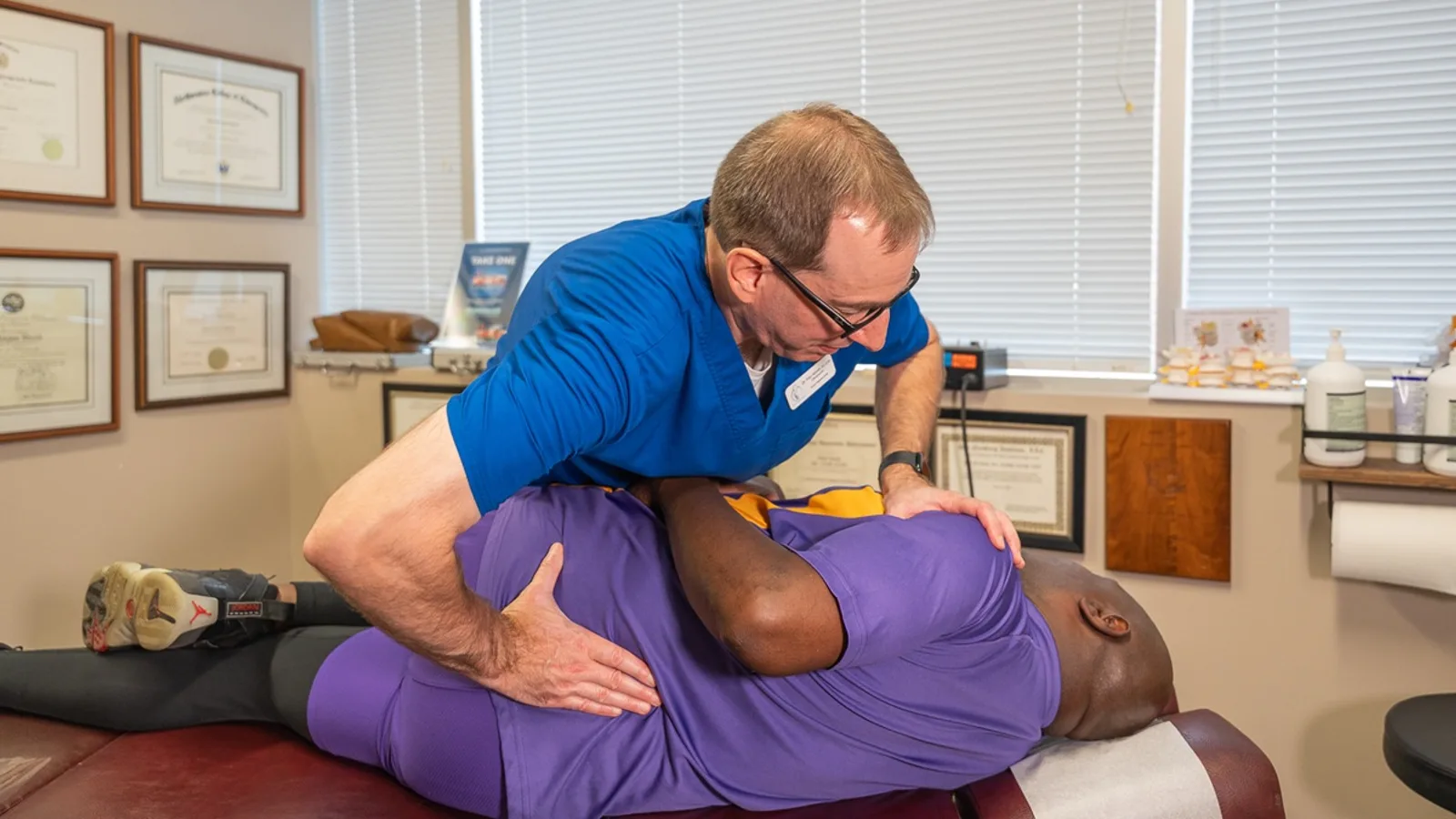
What chiropractic care offers in this context is threefold. First, it works to restore normal joint movement throughout the spine, reducing mechanical stress on structures like discs and facet joints. Second, it has a well-established effect on the nervous system — helping to reduce the hypersensitivity that often accompanies chronic back pain. Third, when combined with physical therapy and therapeutic exercise, it builds a foundation of strength and stability that supports long-term recovery and reduces the risk of recurrence.
For patients who are on a path toward surgical evaluation, integrative conservative care serves a dual purpose: it may resolve the need for surgery entirely, or it may optimize the patient's physical condition so that if surgery does become necessary, they go into it — and recover from it — from a much stronger baseline.
When Surgery May Actually Be the Right Answer
To be clear: surgery is not always avoidable, and for certain conditions and circumstances, it is absolutely the appropriate choice. Being honest about this is part of giving you a complete picture.
There are specific clinical situations where surgery typically becomes necessary — or at least strongly advisable — without waiting for a full conservative care trial. Cauda equina syndrome is one of them: a serious compression of the bundle of nerve roots at the base of the spinal cord that can cause bowel or bladder dysfunction, saddle-area numbness, and significant weakness in the legs. This is a medical emergency that requires immediate surgical evaluation. Progressive neurological deficits — meaning weakness in your legs or feet that is worsening over time, not just pain — also warrant urgent surgical consultation, because waiting too long can result in permanent damage.
Beyond true emergencies, there are situations where surgery becomes a reasonable next step after conservative care has been given a genuine, structured attempt. If you have completed three to six months of comprehensive conservative treatment — including chiropractic care, physical therapy, and other appropriate interventions — and you continue to have significant functional limitation and pain that affects your quality of life, a surgical evaluation becomes a reasonable conversation to have. The same applies if imaging reveals a level of structural compromise that is unlikely to respond to conservative measures.
The important distinction is between surgery as a considered, well-timed decision after exhausting conservative options versus surgery as a reflexive first response to a scary-sounding MRI finding. One is a sound clinical strategy. The other often leads to outcomes that fall short of expectations.
Practical Steps Before You Say Yes to Surgery
If surgery has been mentioned as a possibility for your back pain, there are several grounded, practical steps worth taking before making that decision.
First, pursue a comprehensive conservative care trial with a qualified, integrative provider. Not just a few sessions — a real, structured program that combines multiple evidence-based approaches over an adequate period of time. If you haven't done this yet, it's the most important step you can take.
Second, seek a second opinion — from both the surgical side and the conservative care side. It's completely appropriate to consult with a spine surgeon and also to ask a skilled chiropractor or physical therapist to evaluate whether conservative options have truly been exhausted. Those two perspectives together give you a much clearer picture.
Third, ask specific questions about the proposed surgery. What is the success rate for this procedure for my specific diagnosis? What does recovery look like, and how long? What are the realistic risks? What happens if I choose not to have surgery and continue with conservative care? A surgeon who is uncomfortable with these questions is a reason to pause.
Finally, pay attention to how your body responds to movement. Many patients notice that certain movements — walking, stretching, specific exercises recommended by their chiropractor or physical therapist — provide real relief. That responsiveness is often a meaningful signal that the nervous system and musculoskeletal system still have capacity for healing without surgical intervention.
When to See a Chiropractor About Your Back Pain
If your back pain is new, worsening, or has been lingering without real improvement, that is a reasonable time to seek a chiropractic evaluation — particularly if you haven't yet worked with an integrative provider who can assess the full picture. Early intervention with conservative care tends to produce better outcomes and shorter recovery timelines than waiting.
If a surgical recommendation has already been made, it is not too late to seek a conservative care evaluation. Many patients in the Towson and Baltimore area have benefited from getting a comprehensive assessment at Towson Integrative Health even after a surgical referral — sometimes avoiding surgery entirely, and sometimes choosing to pursue it with far more clarity and confidence.
There are, however, red flags that require immediate medical attention — not chiropractic care. If you experience any of the following, go to an emergency room or call your primary care physician immediately: loss of bowel or bladder control, sudden severe weakness or numbness in both legs, back pain following significant trauma such as a fall or accident, or pain accompanied by unexplained weight loss or fever. These symptoms require urgent medical evaluation first.
Situation | Recommended First Step | Notes |
|---|---|---|
Acute back pain (less than 6 weeks) | Conservative care (chiropractic + PT) | Most acute cases resolve well with early conservative intervention |
Chronic back pain (3+ months) | Comprehensive integrative care evaluation | An integrated approach addresses layered contributors more effectively |
Herniated disc with nerve pain | Conservative care trial (3–6 months) | Many disc herniations resolve or become asymptomatic without surgery |
Surgical recommendation already given | Seek a conservative care second opinion | Integrative care can still be highly effective before committing to surgery |
Progressive leg weakness or numbness | Urgent medical evaluation | Worsening neurological symptoms require prompt surgical consultation |
Cauda equina symptoms (bowel/bladder loss) | Emergency room immediately | This is a surgical emergency — do not delay |
Myths vs. Facts About Back Surgery and Conservative Care
Myth: If my MRI shows a herniated disc, I need surgery.
Fact: MRI findings do not automatically indicate the need for surgery. Research shows that disc herniations — even significant ones — can and do resolve or become asymptomatic without surgical intervention. Conservative care is typically recommended first unless there are specific neurological red flags. The image and the experience of pain do not always correlate directly.
Myth: Conservative care is just "buying time" before the inevitable surgery.
Fact: For many back pain conditions, comprehensive conservative care is not a placeholder — it is a primary, evidence-supported treatment path. Studies suggest the majority of patients who receive high-quality conservative care, including chiropractic management and physical therapy, avoid surgery altogether. Conservative care isn't giving up on a real solution; in many cases, it is the real solution.
Myth: Back surgery is a guaranteed fix.
Fact: Back surgery outcomes vary considerably depending on the diagnosis, the specific procedure, and the individual patient. Some patients experience excellent results; others experience minimal improvement or require additional procedures. This is not an argument against surgery when it's genuinely needed — but it is a reason to approach it as a carefully considered decision rather than a certain cure.
Myth: Chiropractic care is dangerous for disc herniations.
Fact: When administered by a qualified chiropractor following a thorough evaluation, chiropractic care is considered a safe and appropriate conservative option for many disc-related conditions. Dr. Paul M. Abosh at Towson Integrative Health performs a comprehensive assessment before recommending any treatment approach, ensuring that care is appropriate for each patient's specific clinical picture.
Myth: Once you have surgery, you're done dealing with back pain.
Fact: Surgery addresses specific structural issues but does not automatically correct the underlying biomechanical habits, muscle imbalances, or movement patterns that may have contributed to the problem in the first place. Post-surgical rehabilitation — including physical therapy and ongoing movement practice — is typically essential for maintaining the benefits of surgery over the long term.
Final Thoughts
Back pain is one of the most common, complex, and mismanaged conditions in healthcare. The decision about whether to pursue surgery — and when — deserves thoughtful consideration, honest conversation, and a genuine attempt at conservative care before the operating table becomes the plan.
Here at Towson Integrative Health in Towson, MD, Dr. Paul M. Abosh, DC and our care team believe deeply in giving every patient the full picture. We're not anti-surgery — we're pro-informed decision. We've seen patients walk in convinced they needed an operation and walk out with a care plan that resolved their pain without it. We've also helped patients prepare for surgery and recover from it more effectively because of the work they did beforehand. Both outcomes are wins, because both are built on honest, individualized care.
If you're in the Towson, Timonium, Parkville, or greater Baltimore area and you're weighing your options for back pain — surgical or otherwise — we'd welcome the chance to be part of that conversation. You deserve a clear, grounded assessment from a team that genuinely has your long-term health in mind. Book your appointment and let's figure out what your back actually needs.
Frequently Asked Questions
How long should I try conservative care before considering back surgery?
Most clinical guidelines suggest a trial of three to six months of consistent, comprehensive conservative care before surgical evaluation is considered for non-emergency back conditions. The key is that the conservative care should be structured, integrative, and guided by qualified providers — not sporadic or single-approach. If your condition involves progressive neurological symptoms, that timeline changes and you should seek evaluation sooner.
Can chiropractic care help with a herniated disc?
Evidence suggests that chiropractic care, particularly when combined with physical therapy and therapeutic exercise, can be effective for reducing the pain and functional limitation associated with disc herniations. Many disc herniations improve significantly with conservative care over time. A thorough evaluation by a qualified chiropractor can help determine whether and how chiropractic care fits into your specific care plan.
What are the red flags that mean I should skip conservative care and go straight to a doctor or ER?
If you experience loss of bowel or bladder control, rapid or progressive weakness in your legs or feet, numbness in the inner thighs or groin area, back pain following significant trauma, or pain accompanied by unexplained weight loss or fever — seek emergency medical care immediately. These symptoms may indicate serious conditions that require urgent evaluation and cannot wait for conservative care.
Is it safe to get a chiropractic evaluation if I've already been referred for back surgery?
In most cases, yes — seeking a conservative care evaluation before committing to surgery is a reasonable and commonly recommended step. Dr. Paul M. Abosh, DC at Towson Integrative Health performs a thorough clinical assessment before making any care recommendations, and can help you understand whether a conservative approach is still appropriate for your situation. If surgery is ultimately the right path, that evaluation will not have been wasted time.
Does having a "bad" MRI mean surgery is my only option?
Not necessarily. Imaging findings — even significant ones like disc herniations, bulges, or mild stenosis — don't automatically indicate the need for surgery. Many people with notable findings on MRI experience excellent outcomes with conservative care. The clinical picture, including your symptoms, functional limitations, and response to treatment, matters as much as or more than the imaging alone.
What does post-surgical rehabilitation look like, and can Towson Integrative Health help?
Post-surgical rehabilitation typically involves a progressive program of physical therapy, movement re-education, and strength-building designed to restore function and prevent recurrence. At Towson Integrative Health, our team can support patients through this recovery process by integrating chiropractic care, physical therapy, and other evidence-based approaches in a coordinated, personalized plan.
TL;DR — Key Takeaways
Surgery for back pain is widely recommended as a last resort, after a genuine trial of conservative care has been completed — except in true emergencies like cauda equina syndrome or rapidly progressing neurological symptoms.
MRI findings like disc herniations do not automatically mean surgery is required. Many structural findings resolve or become asymptomatic with comprehensive conservative care.
High-quality conservative care — including chiropractic adjustments, physical therapy, and therapeutic exercise — is effective for most common back pain conditions and should be the starting point for most patients.
If surgery has already been recommended, seeking a second opinion from an integrative conservative care provider is a reasonable and informed step before committing to a procedure.
Red flags like loss of bowel or bladder control, progressive leg weakness, or pain following major trauma require immediate medical evaluation — not conservative care.