
Wellness · October 28, 2026
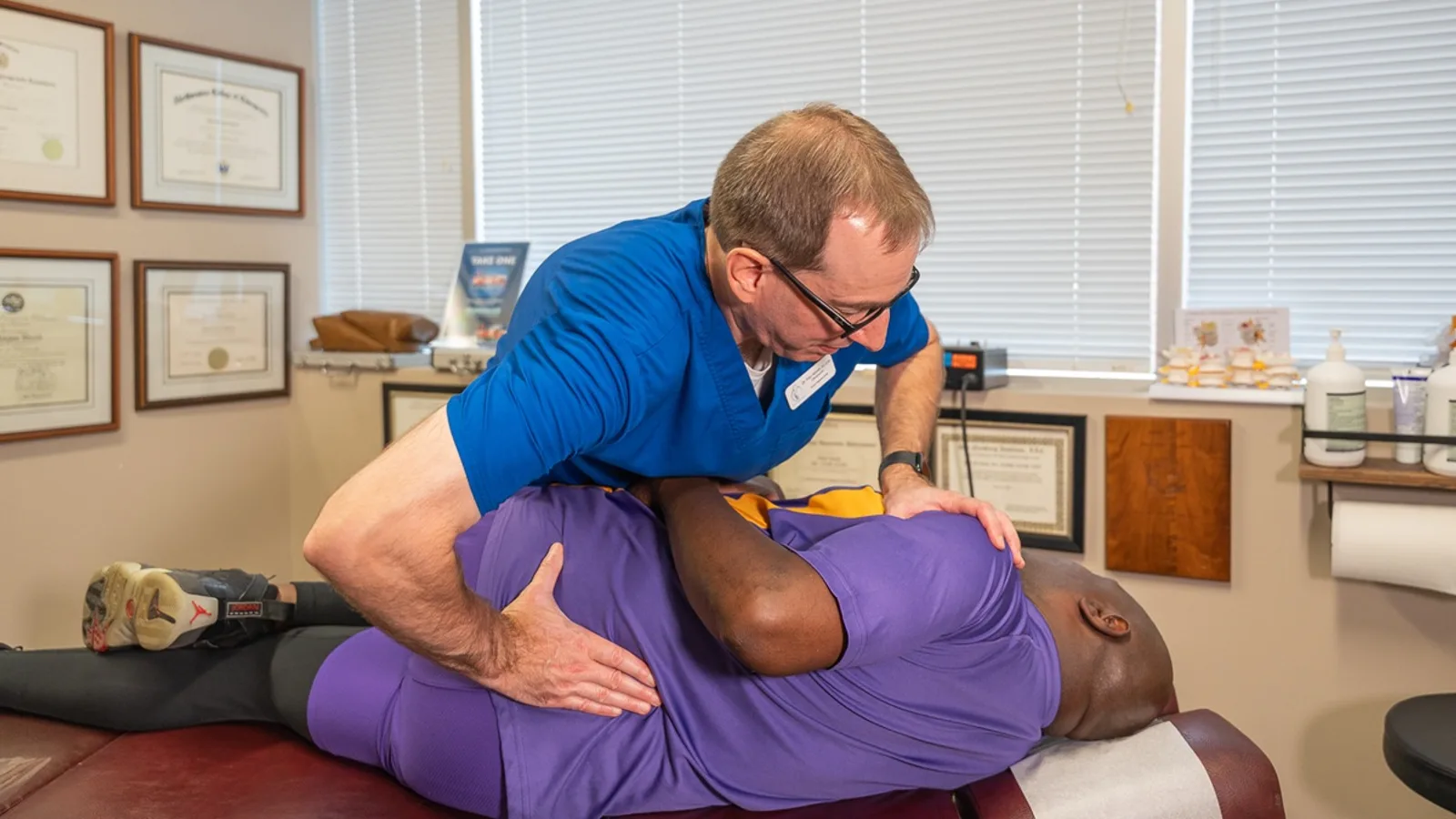
If you're an athlete — whether you're competing at a high level, training consistently, or simply staying active because movement is a core part of who you are — you already know that your body is your most important piece of equipment. And like any equipment, it performs best when it's properly maintained. At Towson Integrative Health in Towson, MD, we work with active child, teen and adult athletes every day who are dealing with nagging back pain, post-game stiffness, or performance plateaus that just won't budge. What most of them discover is that chiropractic care isn't just about pain relief — it's a powerful tool for unlocking how well your body actually moves.
The connection between chiropractic care and athletic performance is one of the most compelling — and underappreciated — conversations in sports health. This article is designed to walk you through exactly why that connection matters, how it applies to the back pain so many athletes quietly endure, and what a truly integrative approach to care can do for your performance and longevity.
What Is Chiropractic Care for Athletes?
Chiropractic care for athletes focuses on the health of the spine, joints, muscles, and nervous system as they relate to physical performance, injury recovery, and injury prevention. It involves manual adjustments, soft tissue work, and movement-based care designed to restore proper alignment, reduce pain, and optimize how the body functions under physical demand.
Why Athletes Experience Back Pain
Back pain is remarkably common among athletes — across every sport, every age group, and every training level. It doesn't discriminate between weekend warriors and professional competitors. But understanding why it develops is the first step toward addressing it meaningfully rather than just managing it temporarily.
Repetitive loading is one of the most significant contributors. Whether you're a runner logging miles on pavement, a cyclist holding a forward-flexed position for hours, or a weightlifter repeatedly compressing your lumbar spine under load, the cumulative effect of that stress adds up. Over time, muscles fatigue, joints lose their ideal range of motion, and compensatory movement patterns take hold — patterns that quietly set the stage for pain and injury.
Muscle imbalances play an equally important role. Most athletic training programs emphasize the muscles that produce power — the quads, hamstrings, glutes, and lats — while undertraining the deep stabilizing muscles of the core and spine. When those stabilizers aren't doing their job, other structures are forced to pick up the slack. That's when the lower back starts absorbing forces it was never designed to handle alone.
Poor movement mechanics compound both of these issues. A hip that lacks mobility, an ankle that doesn't rotate properly, or a thoracic spine that's too stiff to rotate will all shift demand onto the lumbar spine — the area most athletes feel first when something goes wrong. These mechanical inefficiencies often go unnoticed until they've already caused a problem.
Here in Towson and the greater Baltimore area, we regularly see athletes who've been pushing through discomfort for months before finally deciding to address it. In most cases, the underlying issue was something that could have been caught and corrected much earlier with the right evaluation.
How Chiropractic Care Enhances Athletic Performance
Performance enhancement is often the part of this conversation that surprises people most. Many athletes initially come to Towson Integrative Health looking for back pain relief — and they get that — but they also frequently notice improvements in how they move, how they feel during training, and how quickly they recover afterward.
Here's why that happens. Chiropractic adjustments restore proper joint mechanics — meaning that joints in the spine and extremities are moving through their full, intended range of motion. When a joint is restricted, the body compensates by borrowing mobility from adjacent structures. Freeing that restriction doesn't just reduce pain; it allows the kinetic chain — the interconnected system of joints, muscles, and nerves that produce athletic movement — to work the way it's supposed to.
Range of motion is a direct performance variable. A pitcher with better thoracic rotation generates more velocity. A runner with better hip mobility produces a more efficient stride. A swimmer with more accessible shoulder mechanics creates less drag and less wear. These aren't marginal gains — they're foundational movement qualities that chiropractic care can actively support.
Recovery time is another area where evidence suggests chiropractic care offers real benefit. When the body's structural alignment is optimized and soft tissue tension is reduced, the musculoskeletal system is better equipped to repair itself between training sessions. Many athletes at Towson Integrative Health describe feeling less stiff the morning after hard training — which means they're able to train more consistently over time.
Dr. Paul M. Abosh, DC, CCSP, CCEP, CKTP holds certifications specifically in sports chiropractic — credentials that reflect deep, specialized training in the biomechanics of athletic movement, sport-specific injury patterns, and performance-oriented care. That expertise makes a real difference in how care is designed and delivered for active patients.
The Spine, Nervous System, and Movement
One of the foundational principles of chiropractic care is the relationship between spinal health and nervous system function. This is particularly relevant for athletes, and it's worth understanding even at a basic level.
The spine doesn't just hold you upright — it protects your spinal cord and serves as the main highway for the nervous system signals that coordinate every movement your body makes. When spinal joints become restricted or misaligned, that communication pathway can be affected. Think of it less as a dramatic malfunction and more as static on a signal — subtle interference that adds up over time.
The nervous system governs proprioception — your body's ability to sense where it is in space and respond to changes in position. For athletes, proprioception is everything. It's the mechanism behind balance, coordination, reaction time, and the micro-adjustments your body makes dozens of times per second during athletic activity. Research suggests that chiropractic adjustments may positively influence proprioceptive input, which is one reason many athletes report feeling more coordinated and responsive after care.
Beyond proprioception, the nervous system also regulates muscle activation patterns. When the spine is functioning well, muscles fire in the right sequence, at the right time. When it isn't, compensatory patterns emerge — and those patterns not only reduce performance but increase injury risk significantly.
This is why Dr. Paul M. Abosh and the team at Towson Integrative Health approach athletic care from a whole-system perspective. Addressing back pain in isolation isn't enough. Real results come from restoring the underlying function that allows your body to perform as a coordinated, integrated unit.
Chiropractic Care at Towson Integrative Health
What makes care at Towson Integrative Health different from a typical chiropractic visit is the depth and coordination of what we offer. We're not a single-service clinic. We're a fully integrative practice that combines chiropractic care, physical therapy, trigger point dry needling, and personalized wellness strategies — all working together toward one coherent goal: finding the root cause of your pain or limitation and addressing it completely.
For athletes specifically, that integration is enormously valuable. Chiropractic adjustments restore joint mobility and spinal alignment. Physical therapy rebuilds the strength and movement patterns that protect those gains long-term. Trigger point dry needling addresses stubborn muscular tension and trigger points that don't respond to manual therapy alone. And the lifestyle and performance coaching that Dr. Paul M. Abosh, DC, CCSP, CCEP, CKTP weaves into care helps athletes understand how training habits, recovery practices, and daily movement patterns affect their outcomes.
Every patient at Towson Integrative Health receives a personalized care plan — not a cookie-cutter protocol. Your sport, your training load, your history, and your goals all shape what your plan looks like. That's the kind of care that produces results that actually last, rather than temporary relief that fades when you push hard again.
We serve athletes and active adults across Towson, Timonium, Parkville, and the surrounding Baltimore metro area — and we'd love the opportunity to be part of your performance and recovery team.
Practical Tips for Athletes to Support Spinal Health
Between visits, there's a lot you can do to support your spine and protect the progress you're making. These aren't complicated — they're foundational habits that make a meaningful difference over time.
Prioritize your warm-up with intention. A proper warm-up isn't just about elevating your heart rate — it's about preparing your joints and nervous system for the demands ahead. Incorporate hip circles, thoracic rotations, and controlled movements through the ranges of motion you'll be using. Ten minutes of quality preparation can reduce injury risk significantly.
Pay attention to your training load. One of the most common contributors to back pain in athletes is doing too much, too fast, too soon. Progressive overload is a sound training principle — gradual increases give your spine and supporting structures time to adapt. Sudden spikes in volume or intensity are where injuries happen.
Invest in sleep and recovery. Tissues repair during sleep. Athletes who consistently underslept in research settings showed reduced reaction time, increased injury rates, and slower recovery. Your spine — like every other structure in your body — heals best when you give it consistent, quality rest.
Strengthen your deep core. The muscles that truly stabilize the lumbar spine aren't the ones you see in the mirror. The transverse abdominis, multifidus, and pelvic floor are the deep stabilizers that protect your lower back under load. Exercises like dead bugs, bird dogs, and pallof presses target these muscles far more effectively than traditional crunches.
Stay hydrated. The intervertebral discs in your spine are largely composed of water. Chronic dehydration reduces their ability to absorb shock — which directly increases the stress placed on surrounding spinal structures during athletic activity.
When to See a Chiropractor
Some athletes wait until pain becomes severe before seeking care — and we completely understand that impulse. You're motivated, you're committed, and stopping feels like losing ground. But the reality is that catching a problem early almost always means faster resolution and less time away from the activities you love.
It makes sense to schedule an evaluation if you're experiencing persistent back pain that doesn't improve with rest, stiffness or tightness that limits your range of motion, recurring pain in the same area after training, noticeable asymmetry in how your body moves, or a gradual decline in performance that you can't attribute to training load.
There are also signs that warrant prompt medical attention and possible referral beyond chiropractic care. If you experience back pain accompanied by numbness, tingling, or weakness that travels down your leg — especially if it affects your ability to control your foot — that should be evaluated urgently. Pain following a significant fall, collision, or trauma also warrants immediate attention. Bowel or bladder changes associated with back pain are a red flag requiring emergency evaluation.
For the large majority of athletic back pain, chiropractic care combined with physical therapy and targeted soft tissue work is an appropriate, effective first-line approach. At Towson Integrative Health, we're also skilled at recognizing when a case requires coordination with other medical providers — and we don't hesitate to make those referrals when they're in a patient's best interest.
Situation | Recommended Action | What to Expect |
|---|---|---|
Mild to moderate back pain after training | Schedule a chiropractic evaluation | Assessment of joint mobility, posture, and movement patterns; development of a care plan |
Recurring pain in the same area | Integrative evaluation (chiropractic + physical therapy) | Root cause analysis, strengthening plan, and soft tissue work |
Pain with radiating symptoms (leg, arm) | Prompt chiropractic evaluation | Neurological screening; possible referral for imaging if indicated |
Pain following trauma or collision | Prompt chiropractic evaluation | Rule out fracture or serious structural injury before beginning any care |
Performance decline without clear cause | Proper chiropractic assessment and Functional movement assessment | Identify mechanical restrictions and compensatory patterns affecting output |
Bowel or bladder changes with back pain | Emergency medical evaluation | Possible cauda equina syndrome — requires urgent attention |
Myths vs. Facts About Chiropractic Care for Athletes
Myth: Chiropractic care is only for people in serious pain.
Fact: Many athletes use chiropractic care proactively — as a regular part of their performance and maintenance routine — rather than waiting for pain to develop. Addressing small restrictions before they become injuries is one of the smartest things an active person can do. Regular care at Towson Integrative Health helps athletes stay ahead of the problems that derail training.
Myth: Chiropractic adjustments are dangerous for athletes.
Fact: Chiropractic care has a well-established safety profile and is considered a low-risk intervention for musculoskeletal conditions. When performed by a licensed, experienced provider — particularly one with sports chiropractic credentials like Dr. Paul M. Abosh, DC, CCSP, CCEP, CKTP — adjustments are tailored to the athlete's specific condition, sport, and physical demands. Rarely, mild, temporary soreness can be a reported side effect.
Myth: If chiropractic care works, you'll need it forever.
Fact: The goal of care at Towson Integrative Health is always to empower you to maintain your results independently. Acute care addresses the immediate problem; rehabilitative care rebuilds the strength and movement quality to protect against recurrence. Some athletes choose ongoing maintenance care because they find it supports their performance — but that's a personal choice, not a dependency.
Myth: Athletes don't need chiropractic care because they're already "in shape."
Fact: Physical fitness and spinal/joint health are not the same thing. Highly conditioned athletes can — and frequently do — develop joint restrictions, muscle imbalances, and movement dysfunctions that affect both their pain levels and their performance. In fact, the repetitive, high-load nature of athletic training often accelerates the development of these issues.
Myth: Chiropractic care and physical therapy are competing approaches.
Fact: When integrated thoughtfully, chiropractic care and physical therapy are highly complementary. Chiropractic adjustments restore joint mobility and nervous system communication; physical therapy builds the muscular strength and movement patterning to protect that mobility. At Towson Integrative Health, both are delivered as part of a unified, coordinated care plan — which is exactly why our outcomes tend to be more lasting than single-discipline approaches.
Final Thoughts from Our Team in Towson
Your athletic life matters — not just for competition or performance metrics, but because movement is a fundamental part of feeling like yourself. The ability to train hard, recover well, and keep doing the things you love for years to come is worth protecting actively and intentionally.
Back pain doesn't have to be the price you pay for being active. In most cases, it's a signal — one that points to something specific that can be identified, addressed, and corrected. That's exactly the kind of work we do every day at Towson Integrative Health in Towson, MD.
Dr. Paul M. Abosh, DC, CCSP, CCEP, CKTP and our full care team are here to be genuine partners in your athletic health — not just for the acute moments, but for the long arc of a life spent moving well. Whether you're dealing with a stubborn back issue that's been limiting your training, looking to sharpen your performance edge, or simply want a knowledgeable team in your corner who understands what it means to live an active life, we'd be glad to connect.
Towson Integrative Health — Move Better & Live Longer. That's not just a tagline. It's the standard we hold every care plan to, every single day.
Frequently Asked Questions
How often should athletes see a chiropractor?
It depends on your training intensity, sport, and current condition. Athletes in heavy training phases may benefit from more frequent visits to support recovery and maintain joint function, while those in maintenance phases often visit less frequently. Dr. Paul M. Abosh will work with you to create a visit schedule that aligns with your training calendar and goals.
Can chiropractic care help prevent sports injuries?
Research suggests that maintaining proper spinal alignment, joint mobility, and neuromuscular function through chiropractic care may reduce injury risk by improving movement quality and reducing compensatory patterns. While no approach eliminates injury risk entirely, proactive chiropractic care is considered a valuable component of a comprehensive injury prevention strategy.
Is chiropractic care safe during athletic training?
Yes — chiropractic care is generally safe during active training when provided by a licensed clinician who understands sports biomechanics. Dr. Paul M. Abosh, DC, CCSP, CCEP, CKTP holds specialized sports chiropractic certifications, meaning care is specifically calibrated for athletes and their physical demands.
What's the difference between a regular chiropractor and a sports chiropractor?
A sports chiropractor, like Dr. Paul M. Abosh, DC, CCSP, CCEP, CKTP, has completed advanced training specifically focused on the musculoskeletal demands of athletic activity, sport-specific injury patterns, performance biomechanics, and return-to-play protocols. This specialized background allows for more precise, performance-informed care that goes beyond general back pain treatment.
Can chiropractic care help with back pain that's been present for years?
Chronic back pain can absolutely be addressed with chiropractic care, though a thorough evaluation is essential to understand the underlying contributors. At Towson Integrative Health, we combine chiropractic adjustments, physical therapy, and soft tissue work to address even long-standing conditions — focusing on root causes rather than symptom management alone.
Do I need a referral to see a chiropractor at Towson Integrative Health?
In most cases, no referral is needed to schedule a chiropractic evaluation. You can book your appointment directly with our team in Towson. If your insurance plan has specific requirements, our front desk can help you navigate that when you reach out.
TL;DR
Back pain in athletes is most often the result of repetitive loading, muscle imbalances, and movement compensations — not structural damage that requires surgery or long-term medication.
Chiropractic care does more than relieve pain — it restores joint mobility, supports nervous system function, and improves the movement quality that underlies athletic performance.
At Towson Integrative Health in Towson, MD, care is fully integrative — combining chiropractic adjustments, physical therapy, and trigger point dry needling into one coordinated plan.
Dr. Paul M. Abosh, DC, CCSP, CCEP, CKTP holds advanced sports chiropractic certifications, meaning your care is specifically designed around the demands of athletic life.
Don't wait for pain to become severe. Early evaluation, proactive care, and the right movement habits are the most effective long-term strategy for a healthy, active life.